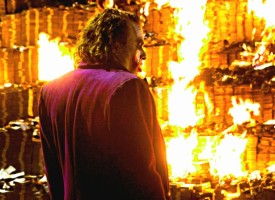
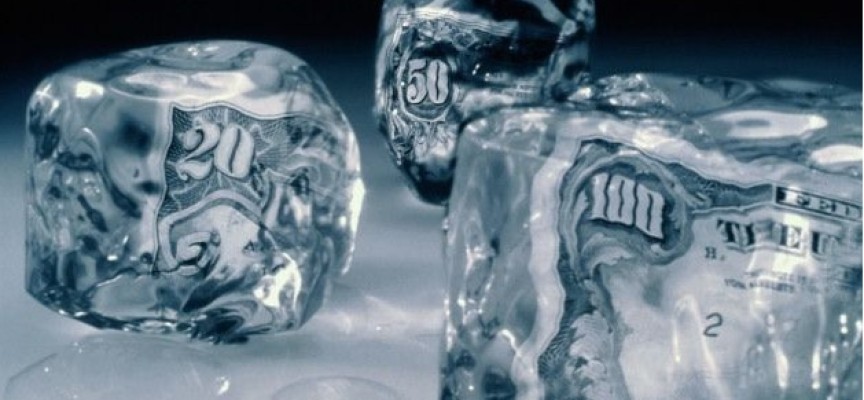
Many investors have seen their money frozen with no access to it.

September 23 (King World News) – Gerald Celente: Investors in private equity funds have been waiting for fund managers to cash out long-held investments and pay a return on those investments. However, those investments have been stuck.
When the U.S. Federal Reserve began raising interest rates to tame inflation, the companies in which the managers had invested saw their costs rise and profits decline. Also, potential buyers for those companies often found higher borrowing costs made a promising investment unprofitable. The market for deals shrank.
As a result, the funds are holding an estimated $349 billion in investors’ money, waiting for the market to recover. The Fed’s latest rate hike, and the spike in bond yields, means even more money now will linger in those frozen funds.
Private equity investments returned an average of 7 percent last year, data service PitchBook reported, their poorest outcome since 2011 during the Great Recession…
Listen to the greatest Egon von Greyerz audio interview ever
by CLICKING HERE OR ON THE IMAGE BELOW.

When pension funds and insurance companies are unable to retrieve their money from their investments, they have a harder time meeting their obligations to retirees and clients filing insurance claims. They also are unable to invest that stuck money in more profitable alternatives.
Also, as those zombie investments grow in number and lock up more value, the harder it will be for private equity funds to raise new investment pools. This year, new investments into the funds are on pace to be their smallest since at least 2020.
Through 11 September, the industry had raised $211.9 billion this year. In 2025, it collected a total of $334.4 billion, which was lower than 2024’s $376.9 billion. This year’s total is on track to be the lowest in more than a decade.
Typically, private equity firms pool some of their own money with that from pension funds, insurance companies, and other institutional investors. They buy companies by combining those funds with loans, sometimes taken by the companies being bought.
In a normal season, the funds cash out those investments with a profit in no more than 10 years, often within five.
As interest rates rose in the early years of this decade, that business plan was thwarted. Now the Iran War is pushing rates higher still.
As a result, money stranded in “zombie” funds – those holding their investments for more than 10 years – has risen 65 percent from the beginning of 2022 through the end of 2025, PitchBook said.
“Some [funds] that grew really rapidly over the last decade will have to contract back down,” Scott Kleinman, Apollo Global Management co-CEO, said last week at an analysts’ conference.
Ironically, this year was poised to offer relief. Jerome Powell’s term as Fed chair was ending and Donald Trump appointed Kevin Warsh to replace him. Trump had pressured Powell relentlessly to cut interest rates; Warsh was expected to be more effective in influencing the bank’s rate-setters to do so.
Instead, U.S. government borrowing helped drive borrowing costs higher throughout the economy. Now Warsh seems to have joined the central bank’s rate hawks.
Many fund managers put large amounts of money into the software-as-a-service industry, which has been rocked by fears that AI will replace those products. Share prices in the sector have been volatile, making them seem risky to possible buyers and harder for private equity firms to cash out.
TREND FORECAST:
Private equity firm Thoma Bravo took a $5-billion loss this year when software firm Medallia defaulted on its loans. Lenders to software company Cornerstone OnDemand have discounted the value of their $2.1 billion in loans by at least 30 percent, and the same for loans to Sympir Software.
With interest rates in the bond market now on the rise again, defaults in the sector are likely to increase, perhaps through 2028, analysts have said.
“You’re going to see an increase in funds entering that zombie zone,” Mitchell Mansfield, a managing director at advisory firm Kroll, said to the WSJ. “The longer these funds stay in existence, the more your return on capital as an investor plateaus, then declines.”
One Of The Greatest Interviews Ever On Gold, Silver, Miners, Uranium & More!
To listen to one of the greatest interviews ever with Nomi Prins CLICK HERE OR ON THE IMAGE BELOW.

Gold & Silver
To listen to James Turk discussing the massive upside breakout that silver and gold are on the cusp of taking out CLICK HERE OR ON THE IMAGE BELOW.

JUST RELEASED!
To listen to Alasdair Macleod discuss gold, silver, miners, oil, coming food shortages and more CLICK HERE OR ON THE IMAGE BELOW.

ALSO RELEASED!
We Are Moving Closer To A Shockwave Event CLICK HERE.
This Will Trigger The Big Stock Market Plunge CLICK HERE.
We Are Still In The Buy Zone For Physical Gold & Silver CLICK HERE.
This Is Having Financial Ripple Effects Across The Earth CLICK HERE.
Silver May Soar Back To All-Time High In First Quarter Of 2027 CLICK HERE.
GET READY: Massive Food Shortages Are Coming CLICK HERE.
Look At Who Just Said Ignore Volatility Because Gold Price Headed To $6,000 CLICK HERE.
The Edge Of A Full-Blown Collapse CLICK HERE.
Gold Surges Over $100 This Morning As Crisis Intensifies CLICK HERE.
This Crisis Just Hit Extremely Dangerous Levels CLICK HERE.
This Will Ignite A Historic And Terrifying Stock Market Crash CLICK HERE.
Look At What Just Hit A 24-Year High, Diesel Prices Have Skyrocketed Along With Crude Oil CLICK HERE.
Gold Update As Bankruptcies And Interest Rates Soar CLICK HERE.
Miners vs Tech Stocks, Plus A Look At The Surging Inflation Story CLICK HERE.
Buckle Up For What May Be The Wildest Week Of Trading This Year CLICK HERE.
Nomi Prins Just Predicted Silver Will Hit $200-$300 In 12-24 Months CLICK HERE.
© 2026 by King World News®. All Rights Reserved. This material may not be published, broadcast, rewritten, or redistributed. However, linking directly to the articles is permitted and encouraged.